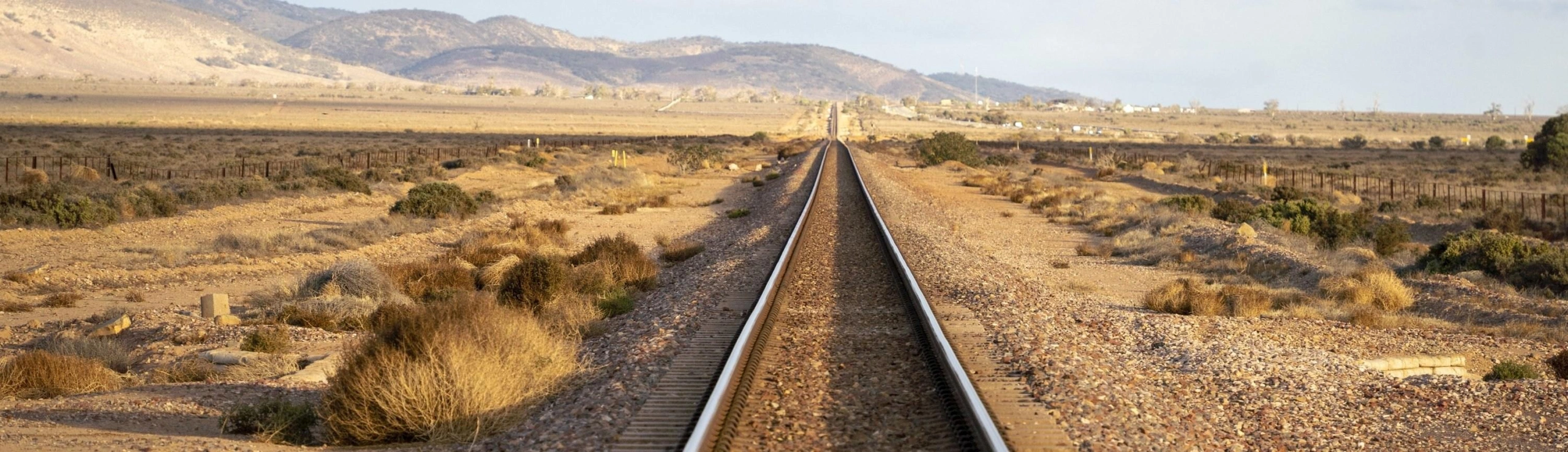
Services provided by CREAM

❶ Strategic Consulting & Advisory
Pre-Feasibility Study
Strategic planning, scoping, framing and optioneering for new railway operations or expansions, or modal or logistics studies:
Analysis of rail demand;
Assessment of existing rail networks;
Establishment of Basis of Design;
Development of concepts:
- Concept of Operations, train configuration, operating sequence, cycle analysis, provision of rail operations
- Concepts for locomotives, rail wagons and intermodal/ containerisation, loading & unloading, rolling stock fleet size, asset ownership/ leasing and maintenance of rolling stock
- Rail spur and yard concepts, track design criteria;
Cost estimate & schedule;
Risk Assessment;
Evaluation and Multi-Criteria Analysis.
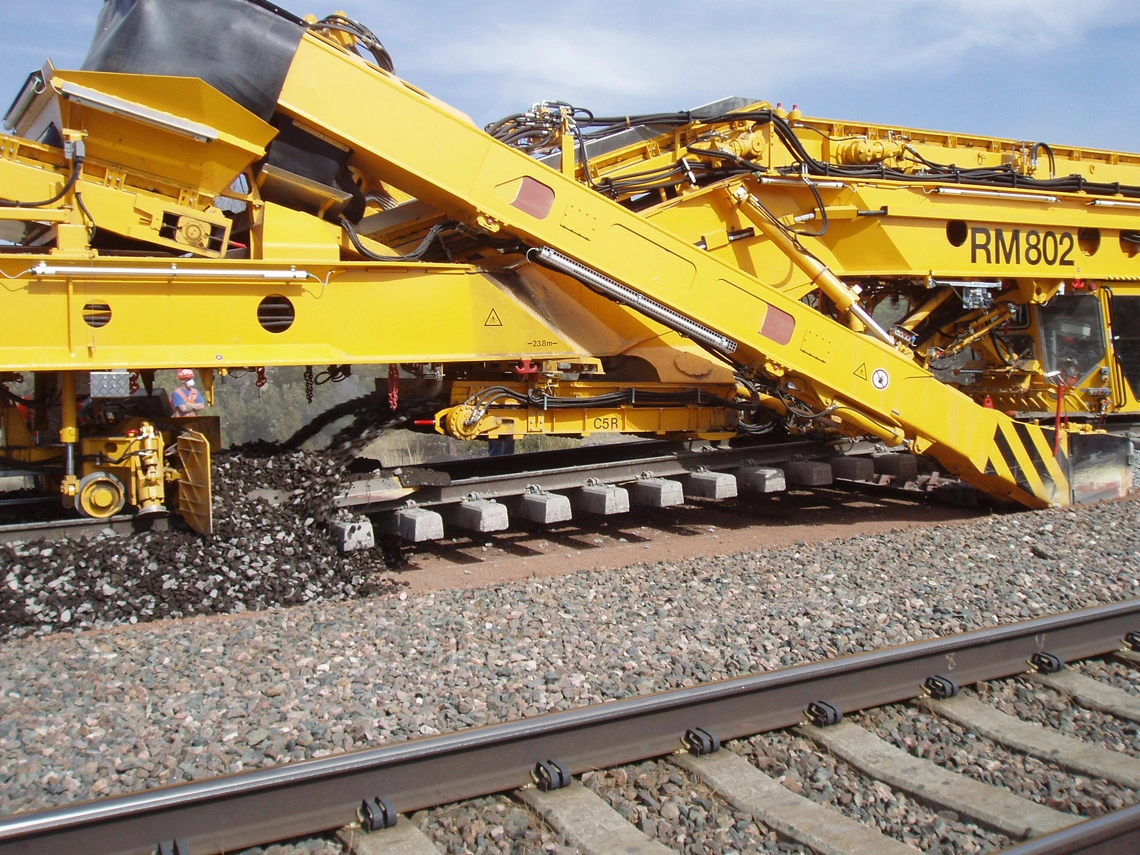
Technical Advisory for On-Track Machinery
Developing the on-track machine program for rail networks, for the full suite of track maintenance and renewal machinery, material handling equipment, and track measurement systems:
Evaluation: Review of mechanisation capacity, assessment of technical demand, development of options, evaluation of production rates and utilisation, cost estimates, machine selection;
Conceptualisation: Project scope development, development of Basis of Design, development of schedule, Risk Assessment;
Engineering: Finalising equipment details, translating annual requirements into quantified machine capacity, preparation of project specifications, assessment of resources, development of procurement plan, advising on ownership/ leasing models, establishment of cost management.
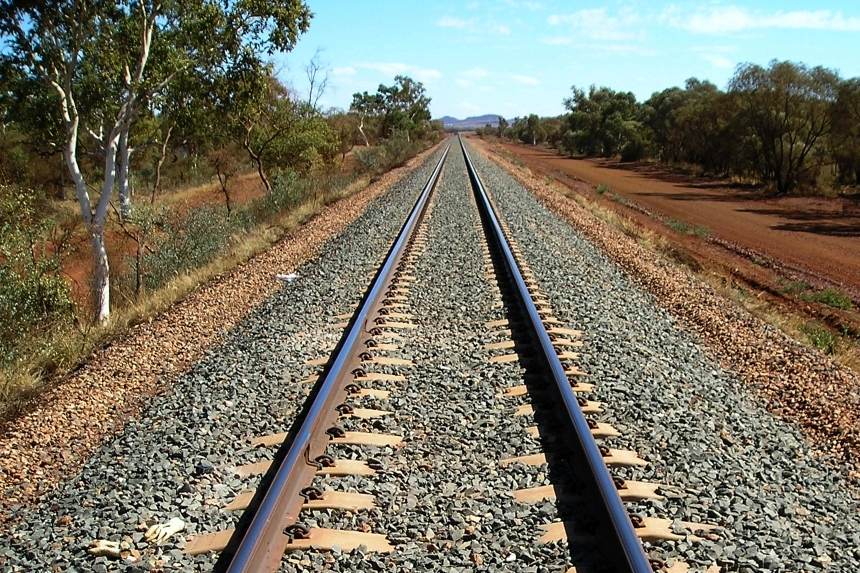
❷ Asset Management: Evaluation
Track Performance Assessment
In-depth quantitative assessment of rail networks, identification of chronic failure modes, and development of strategies to economically improve track performance:
Reliability: Detailed analysis of rail integrity in terms of rail break trends, effectiveness of management of rail breaks, and benchmarking with comparative operations; Assessment of track failures in terms of problematic sections;
Availability: Analysis of current temporary speed restrictions;
Maintainability: Evaluation of track condition and trends according to standard deviations, quality/ condition indices and faults determined from track recording car or instrumented wagon data; Assessment of rail wear in terms of remaining life and wear rates; Assessment of rail longitudinal stress; Assessment of sleeper condition and age; Assessment of ballast fouling, ballast deficit, and formation & drainage condition, according to Ground Penetrating Radar data;
Safety: Critical analysis of derailment history in terms of trends, causes, density per section, and benchmarking with comparative operations.
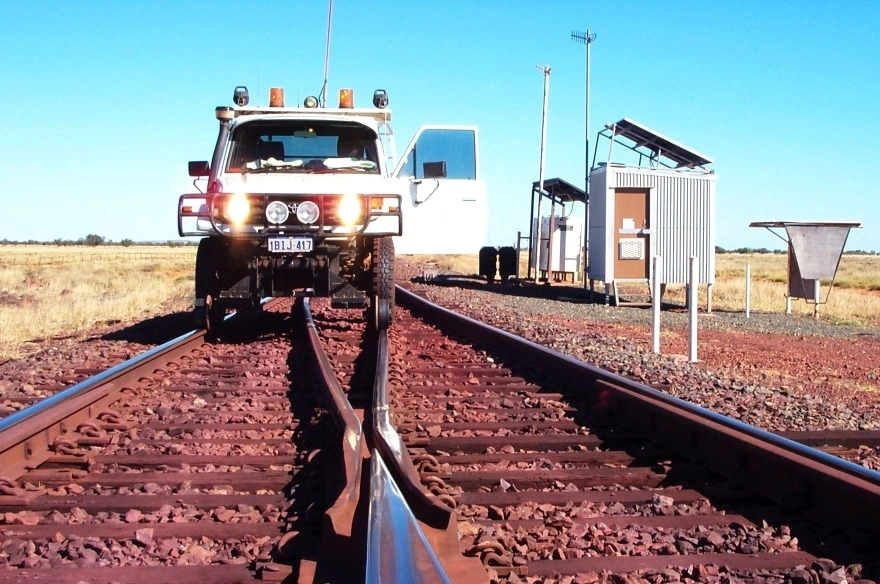
Expert Evaluation of Rail Network
Independent on-site investigation of the condition of rail networks, to further develop strategies necessary to improve track performance:
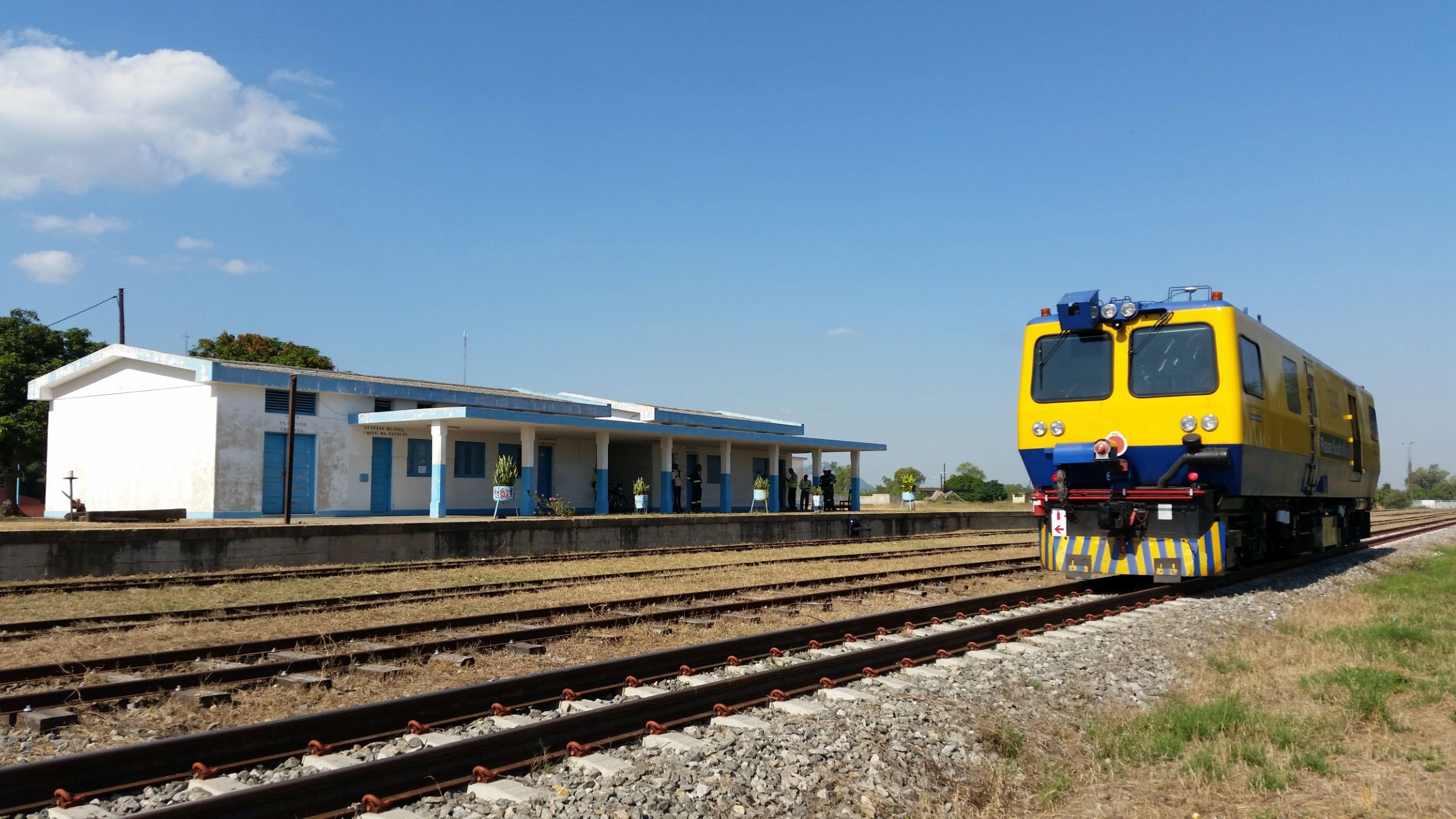
Assessment of track condition through visual inspection by means of motor trolley, hi-rail or locomotive;
Assessment of track structural condition, asset details and related devices, prioritised at identified problem locations and safety-critical faults, and evaluation of general root causes.
❷ Asset Management: Optimisation
Long-Term Maintenance Planning
Life-cycle planning and optimisation to meet business objectives:
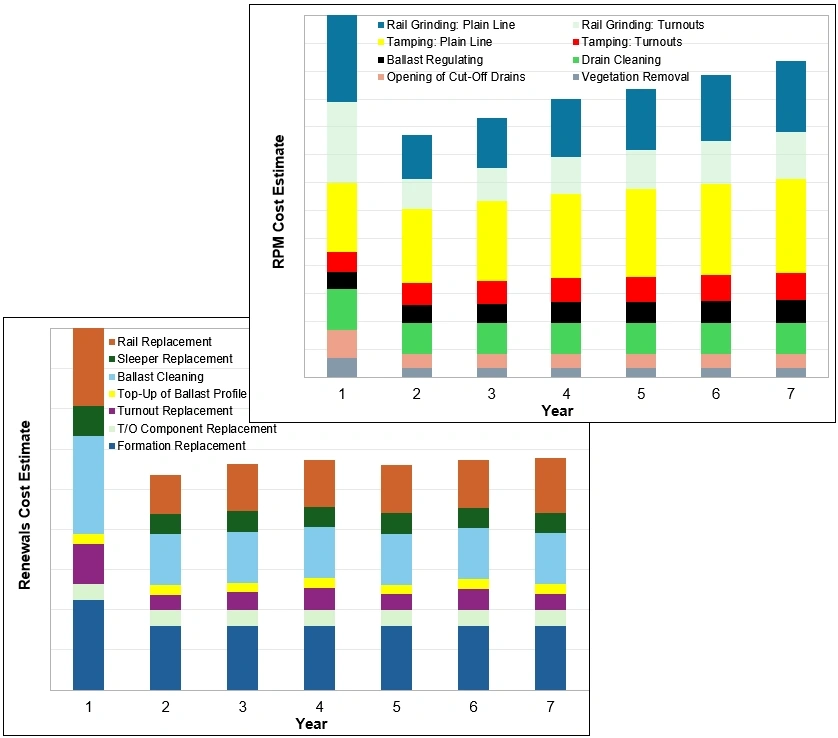
Calculation of renewal requirements per major replacement activity, based on maintenance limits, deterioration rates or expected service life, and according to tonnage forecasts. Includes interrogation of maintenance backlogs;
Calculation of routine maintenance requirements according to cycles and tonnage forecasts;
Development of quantified long-term plans on a centralised basis, collated into years;
Estimation of operational capacity utilised for related occupations;
Quantification of on-track machinery and production team requirements;
Development of cost estimates.
Maintenance Optimisation
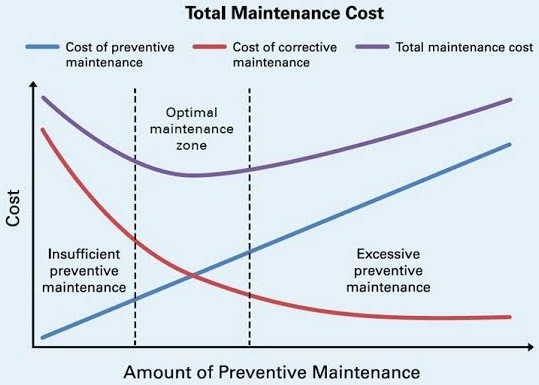
Review and revision of maintenance standards for renewals, routine preventive maintenance and condition assessment of track and rail;
Evaluation of predictive preventive maintenance tactics;
Development of maintenance limits and performance metrics for key parameters.
❷ Asset Management: Investigation
Expert Witness
Investigation of failures, defects, incidents or contractual disputes relating to track assets and maintenance;
Objective analysis and evaluation of technical data;
Independent assessment of root causes;
Detailed reporting and courtroom testimony.
Derailment Investigation
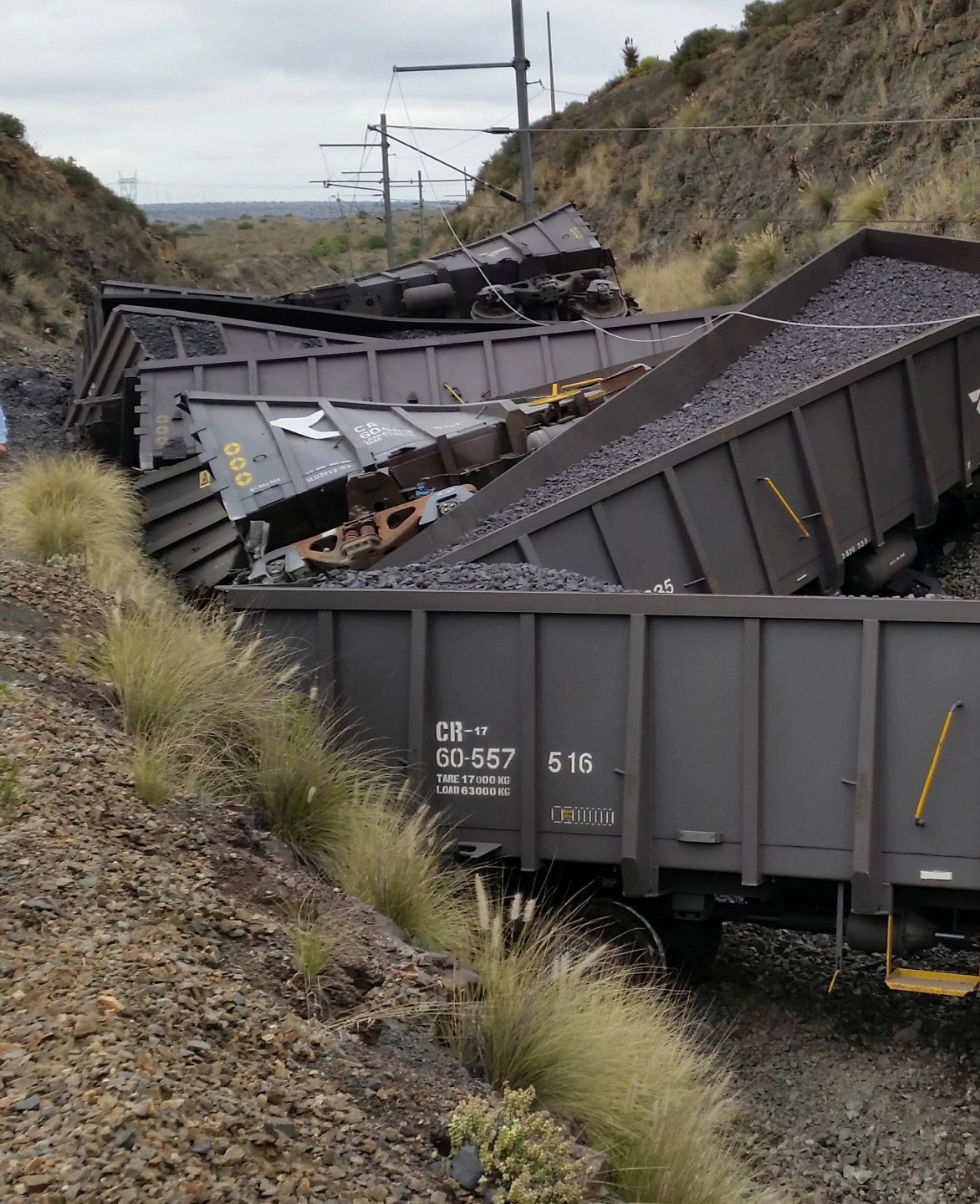
Independent on-site investigation of derailments;
Reporting, including analysis of train and infrastructure data, cause analysis, findings and recommendations;
Impartial critique of derailment investigation reports;
Participation on formal boards of inquiry;
Development of derailment mitigation strategies.
❸ Engineering
Track Structure Analysis
Detailed track structure analysis, and calculation of loads and stresses down the structure;
Design or validation of entire track structure, including interrogation of Finite Element Analyses;
Defining track requirements for increased speed and/or axle load.
Development & Update of Standards
Development of design criteria for new rail projects;
Critical review and revision of track design criteria;
Critical review and revision of standards and specifications for track and materials.